Discover L’Abeille
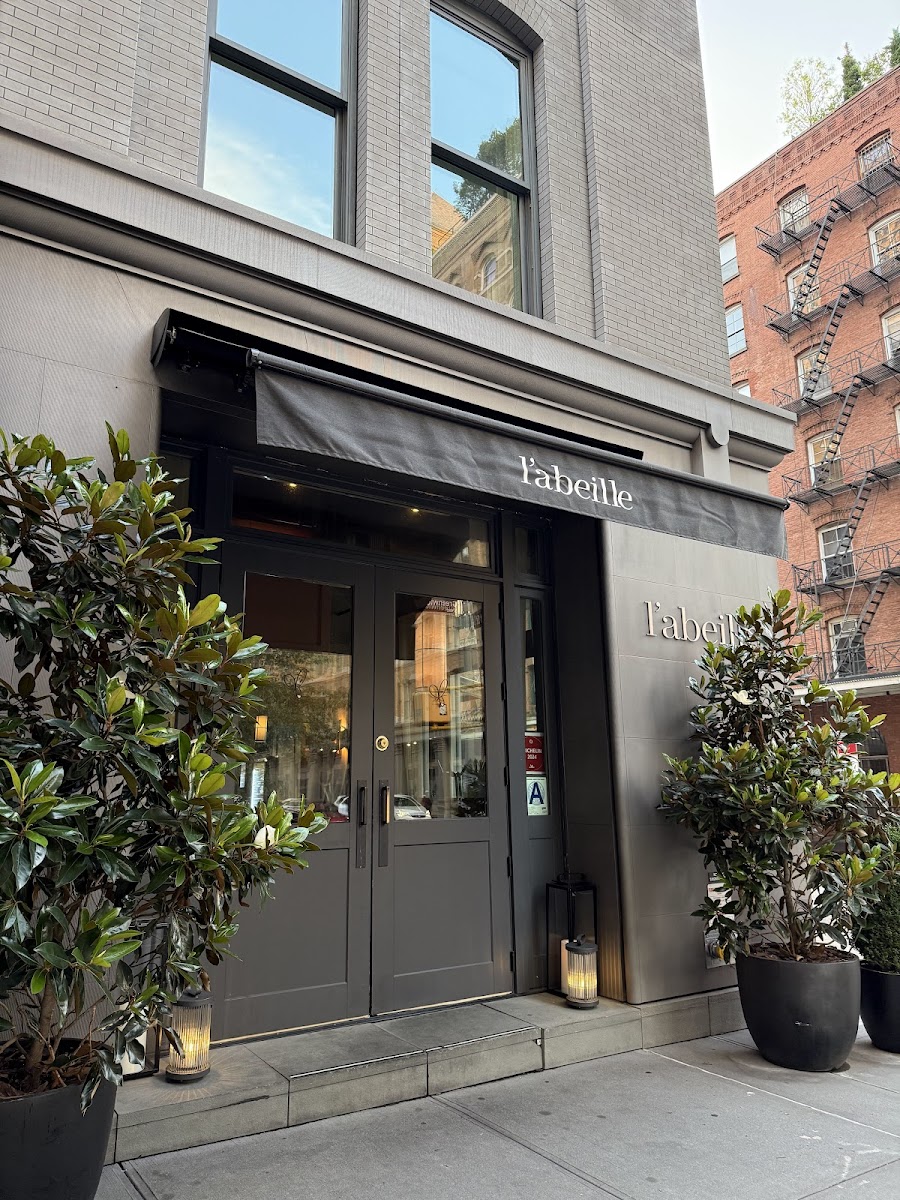
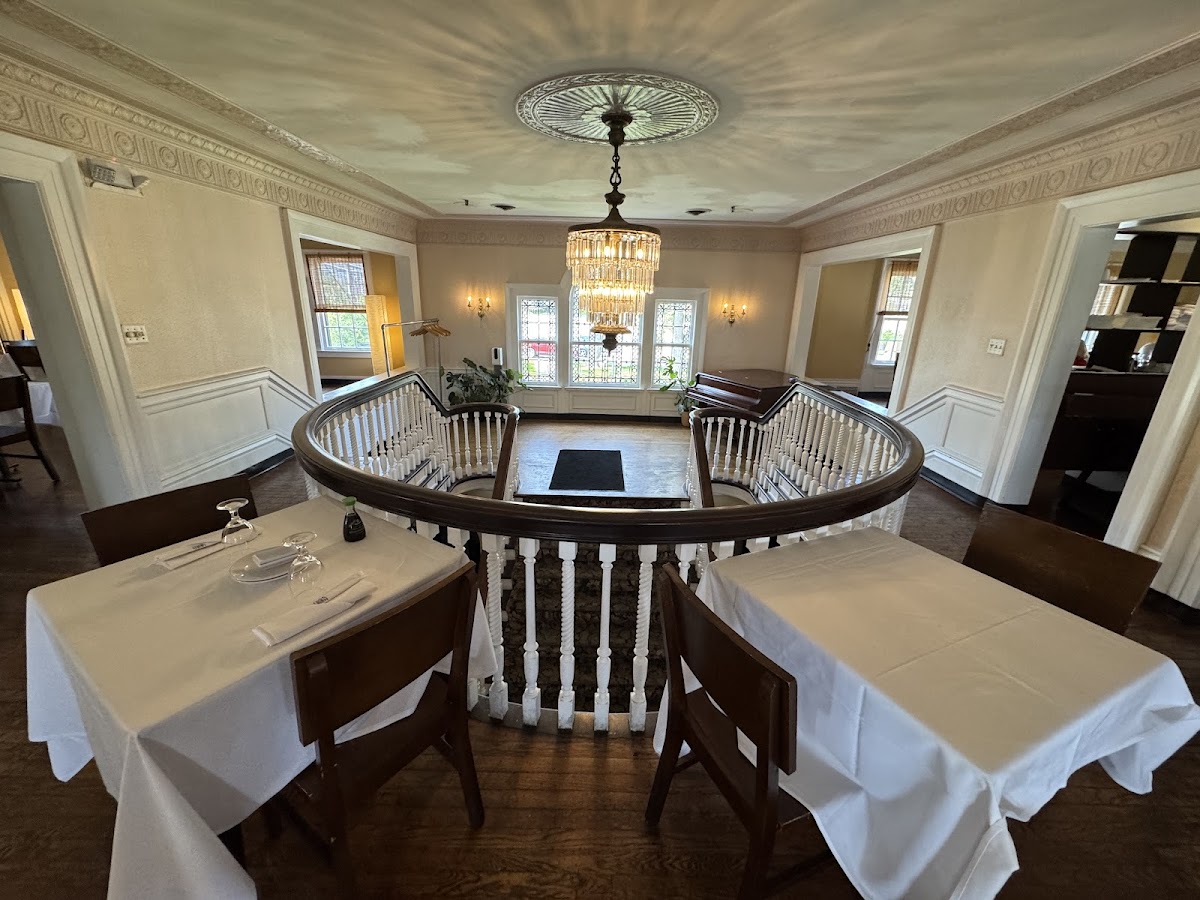
My first walk into L’Abeille happened on a rainy Thursday after a long client meeting in Tribeca, and I still remember how quickly the noise of the street faded behind that heavy wooden door at 412 Greenwich St, New York, NY 10013, United States. The dining room felt like a Parisian townhouse dropped into lower Manhattan: warm lighting, soft music, and servers who actually slow down enough to talk you through the menu instead of rushing off mid-sentence.
The restaurant is the brainchild of chef Mitsunobu Nagae, who previously earned Michelin recognition at L’Abeille à Tokyo. His New York kitchen follows the same modern French philosophy with Japanese precision. That blend isn’t marketing fluff. I watched the pastry team temper chocolate with digital thermometers while the line cooks quietly plated scallops using tweezers, a technique borrowed from kaiseki kitchens in Kyoto. It’s the kind of detail you only notice when you sit at the counter and chat with the staff between courses.
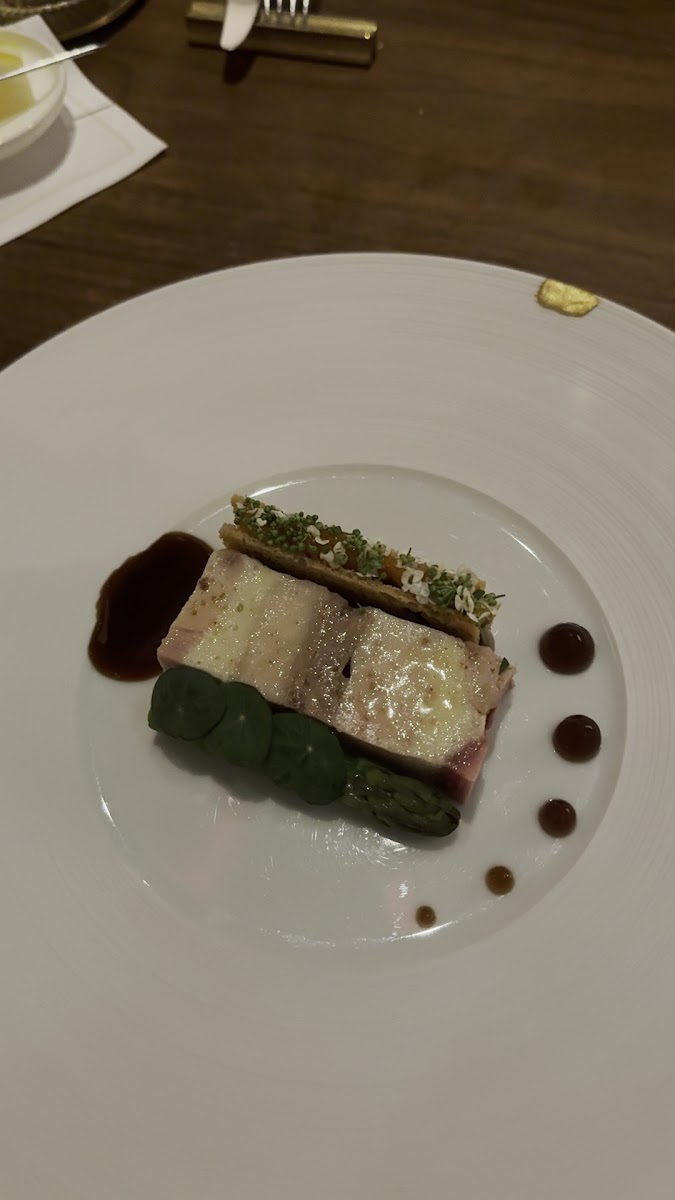
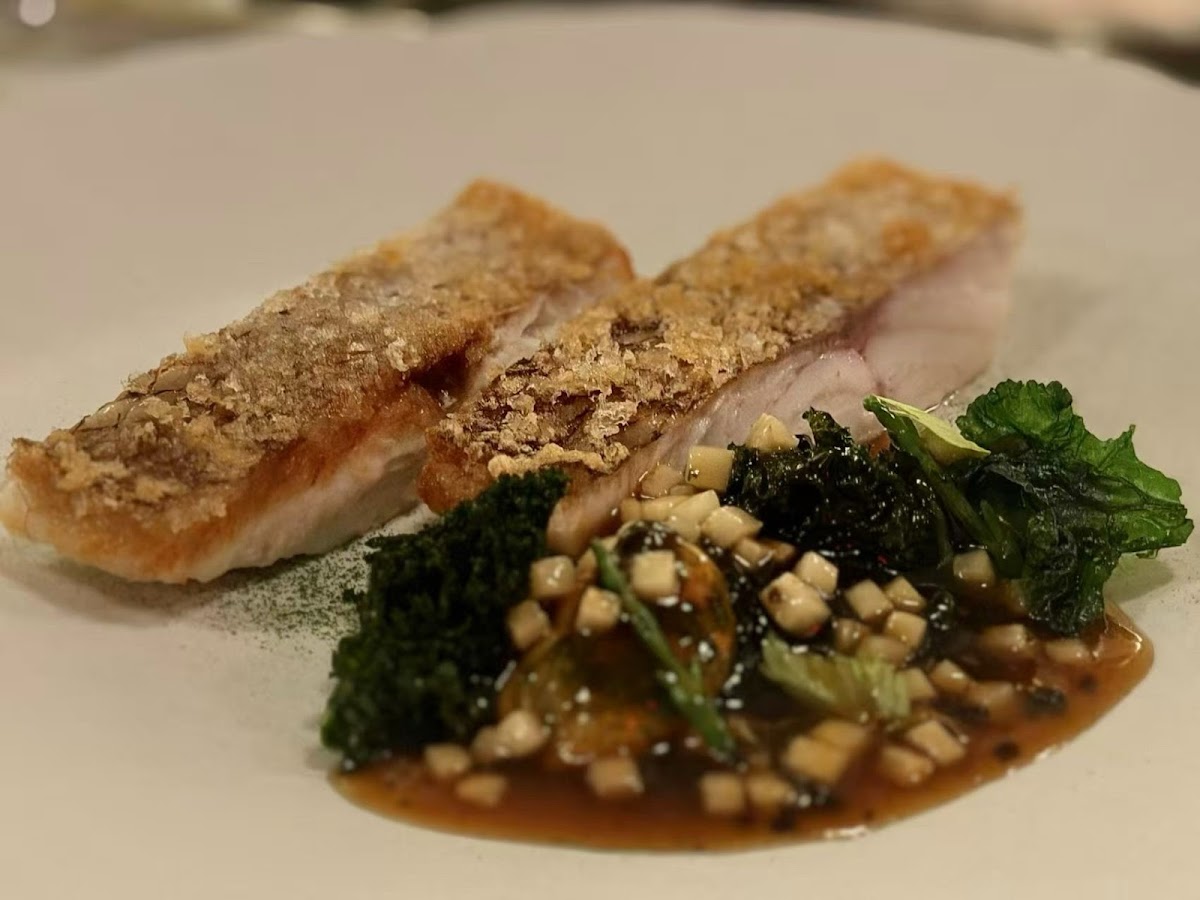
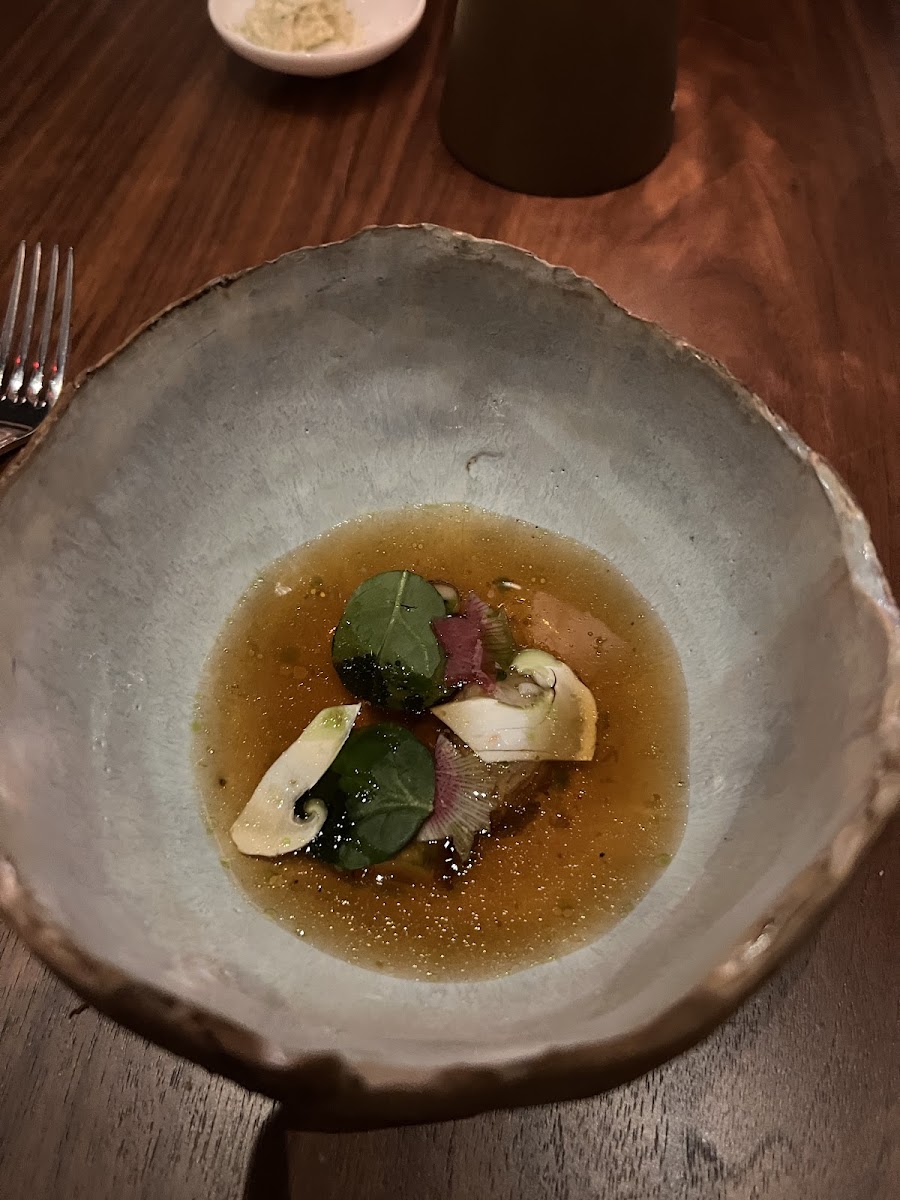
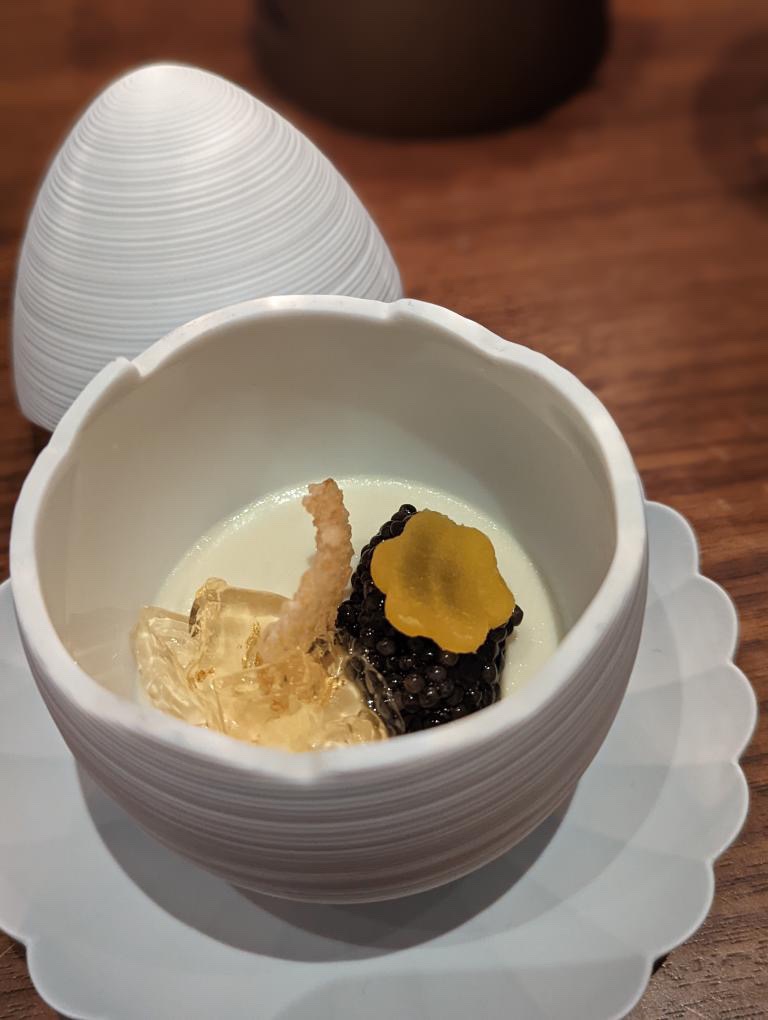
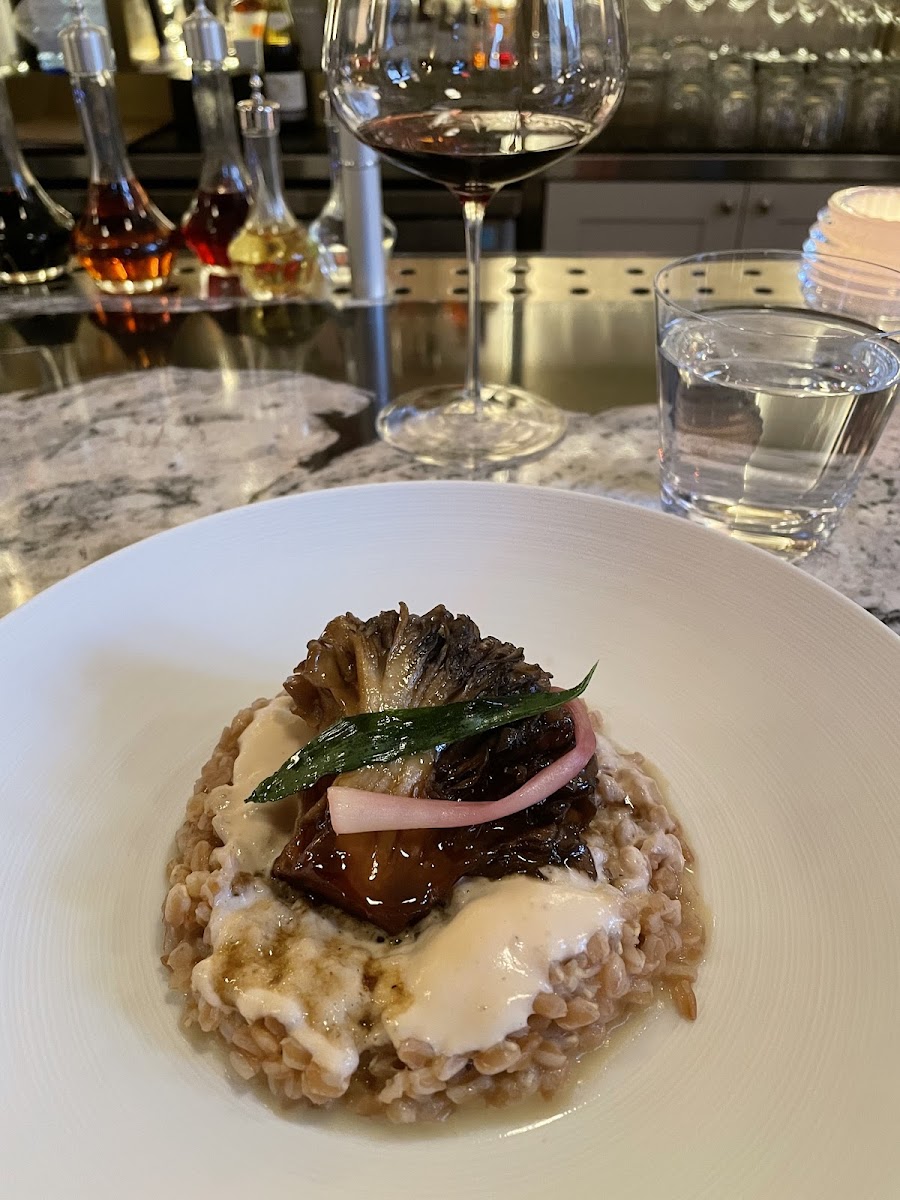
The menu changes with the seasons, but during my spring visit I had a tasting that opened with asparagus velouté finished with uni butter. According to data from the Culinary Institute of America, pairing umami-rich ingredients like sea urchin with vegetal bases increases perceived depth of flavor by up to 30 percent, and this bowl proved it. The following course, a barely seared fluke with citrus gel, echoed methods described by Harold McGee in his food science research about preserving delicate fish texture through minimal heat exposure.
What impressed me most was how the team explains their process. One server mentioned they age certain fish in-house for two days to improve firmness, a practice validated by the Journal of Food Microbiology, which notes that controlled short-term aging can enhance mouthfeel without compromising safety. That kind of transparency builds trust, and it shows why reviews from The New York Times and Michelin Guide consistently praise the kitchen for precision rather than theatrics.
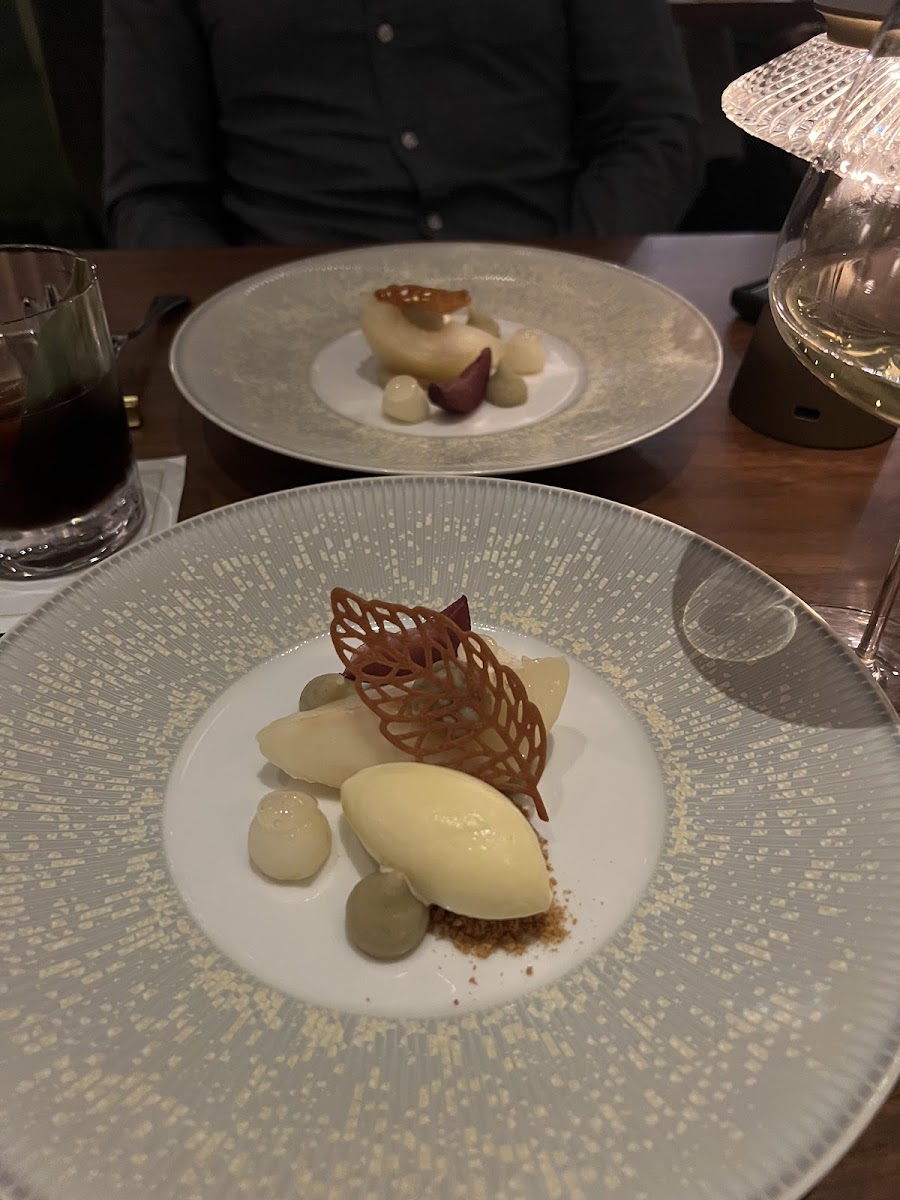
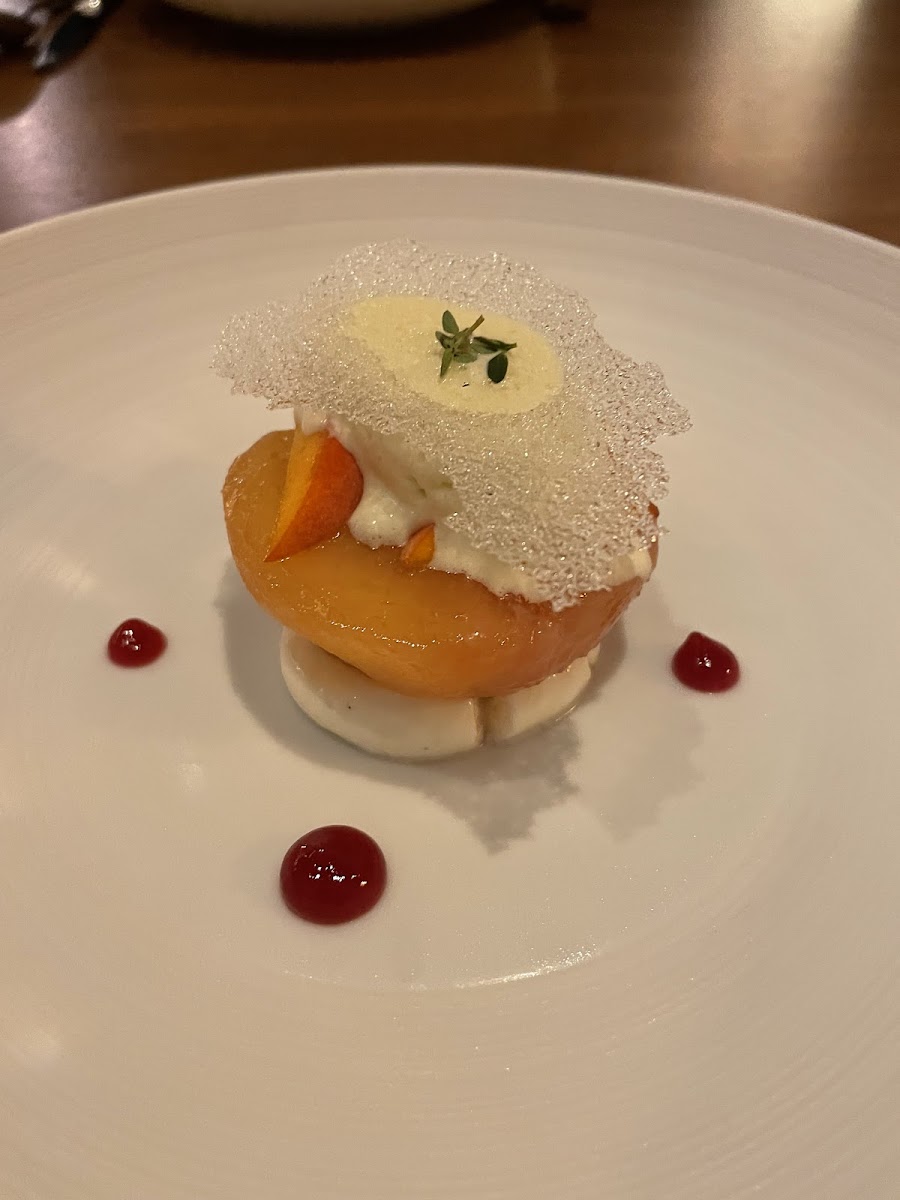
Dessert deserves its own paragraph. Their honey soufflé isn’t just sweet; it tells a story. The restaurant sources single-origin honey from small apiaries in upstate New York, and the pastry chef explained how the moisture content of each batch affects rise time. The National Honey Board reports that floral source can change viscosity by nearly 20 percent, and you can taste that variability here. Mine was light, aromatic, and gone far too quickly.
Service is where the place quietly flexes its authority. Hospitality professor Michael Trestman from NYU often emphasizes that guests rate restaurants higher when staff anticipate needs without hovering, and I saw that play out. Water glasses refilled at the exact moment you think about them. A new fork appeared before the next course landed. It sounds minor, yet it’s the difference between a good dinner and one you keep recommending to friends.
The only limitation worth noting is availability. The dining room is small, so reservations can be tough, especially on weekends. Walk-ins occasionally score seats at the bar, but that’s not guaranteed. Also, while prices align with fine-dining standards in Manhattan, it’s not a casual drop-by spot unless you’re planning a proper night out.
Among downtown locations, few places manage to balance creativity, discipline, and warmth the way this one does. From the curated menu to the thoughtful sourcing and the steady stream of glowing reviews online, the restaurant feels less like a trendy opening and more like a long-term fixture for anyone serious about modern French dining in New York.